

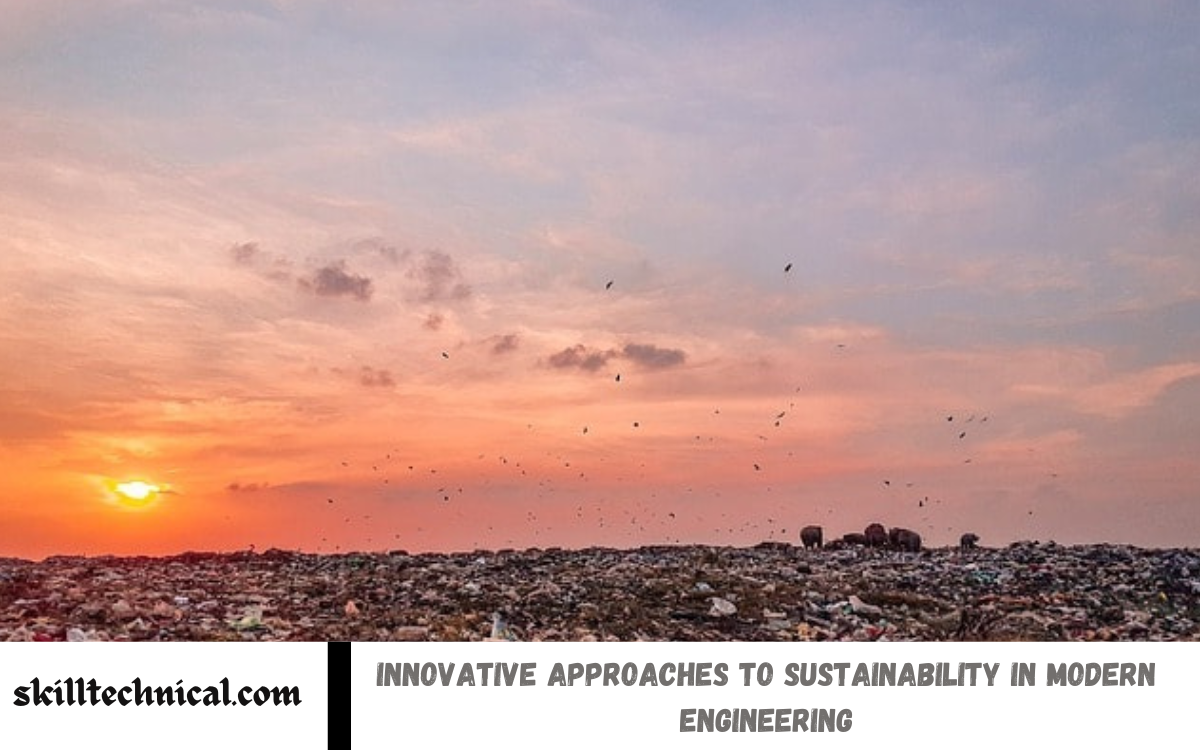
Sustainability has become a crucial focus in the field of engineering. Modern engineers are no longer just building structures and systems—they are shaping a future that balances progress with environmental responsibility. Innovative approaches to sustainability are transforming traditional engineering practices by integrating eco-friendly materials, energy-efficient designs, and cutting-edge technologies. These advances help reduce waste, lower carbon footprints, and conserve natural resources, all while maintaining high standards of performance and safety.
Smart infrastructure that optimizes resource use, modern engineering is redefining how we design and build. Engineers are also leveraging digital tools, such as artificial intelligence (AI), data analytics, and the Internet of Things (IoT), to create solutions in real time. This proactive mindset not only supports a healthier planet but also drives economic growth by creating new markets and job opportunities.
By embracing innovation and sustainability hand-in-hand, the engineering field is paving the way for resilient, efficient, and environmentally responsible developments. This approach ensures that future generations inherit a world not just built to last but built to thrive.
The Role of Sustainability in Today’s Engineering Landscape
Sustainability has become a fundamental principle in modern engineering, reshaping how projects are designed, developed, and executed. Today’s engineers are increasingly aware that their work has far-reaching impacts on the environment, society, and the economy. This awareness has led to a shift from traditional engineering, which focuses solely on functionality and cost, toward approaches that prioritize long-term environmental health and social well-being.
Incorporating sustainability means designing systems and structures that use recycled materials whenever possible. Lifecycle of a project—from raw material extraction to end-of-life disposal—to ensure resources are used efficiently and responsibly.
Beyond environmental benefits, sustainable engineering promotes innovation and economic resilience. By adopting eco-friendly technologies and practices, engineers enable companies to meet regulatory requirements, reduce operating costs, and provide friendly solutions.
Green Materials: Building with Nature in Mind
Green materials are revolutionizing the way engineers and builders approach construction by prioritizing environmental sustainability and resource efficiency. These materials are sourced, produced, and utilized in ways that minimize harm to the planet while maintaining their strength, durability, and functionality. Examples include recycled steel, bamboo, reclaimed wood, low-VOC (volatile organic compound) paints, and innovative bio-based plastics.
Using green materials helps lower carbon footprints by reducing. Many of these materials are renewable or recyclable, which means they can be reused or safely broken down at the end of their life cycle.
Incorporating green materials also supports healthier indoor environments by minimizing toxic emissions, improving air quality, and promoting well-being for building occupants. As environmental regulations become increasingly stringent worldwide, these materials enable projects to comply with standards and meet qualification requirements.
Renewable Energy Integration in Engineering Projects
Integrating renewable energy into engineering projects is a crucial step toward creating sustainable and environmentally friendly solutions. Engineers are increasingly designing systems that harness clean energy sources and lower greenhouse gas emissions.
By incorporating renewable energy technologies directly into buildings, infrastructure, and industrial processes, projects can achieve greater energy efficiency and cost savings over time. For example, solar panels installed on rooftops or wind turbines positioned strategically can generate electricity onsite, reducing the need for power from non-renewable sources. Similarly, geothermal systems can provide efficient heating and cooling with minimal environmental impact.
Renewable energy integration also supports energy independence and resilience by diversifying power sources and reducing vulnerability to energy disruptions. Additionally, these projects often benefit from government incentives and growing market demand for green solutions.
Smart Technologies Driving Sustainable Solutions
Innovative technologies are revolutionizing the way engineers design and manage sustainable projects. By combining sensors, data analytics, artificial intelligence (AI), and the Internet of Things (IoT), these technologies enable.
For example, smart grids enhance electricity distribution by continuously balancing supply and demand, which helps reduce energy waste. In buildings, advanced systems adjust lighting, heating, and cooling according to occupancy and weather conditions, significantly reducing energy consumption. Likewise, IoT sensors track water consumption, identify leaks early, and support effective water conservation.
Beyond resource efficiency, innovative technologies enhance maintenance and operation by predicting equipment failures before they occur, thereby extending the lifespan of infrastructure and minimizing downtime. They also support better decision-making by providing engineers with real-time data and insights, allowing them to adjust systems quickly and effectively.
Water Conservation and Sustainable Resource Management
Water conservation and sustainable resource management are crucial components of modern engineering, particularly as the world confronts growing water scarcity and environmental challenges. Engineers play a vital role in designing systems that utilize water more efficiently, minimize waste, and safeguard natural water sources.
Innovative approaches include rainwater harvesting, greywater recycling, and intelligent irrigation systems that deliver water precisely when and where it’s needed. These techniques help reduce the demand for freshwater supplies and minimize runoff, which can carry pollutants into rivers and lakes, thereby protecting the environment. Sustainable resource management also involves treating and reusing.
Beyond water, sustainable engineering encompasses the responsible use of all natural resources, including energy, raw materials, and land, ensuring a balanced approach to resource utilization. This holistic approach ensures that projects are planned and constructed for operation and eventual decommissioning.
Read Also: The Future of Engineering – 4 Emerging Technologies and Trends
The Impact of Digital Tools on Sustainable Engineering
Digital tools are transforming sustainable engineering by enabling smarter, faster, and more precise design and decision-making processes. Technologies such as Building Information Modeling (BIM), computer simulations, and data analytics would allow engineers to visualize projects in 3D, predict environmental impacts, and optimize resource use before construction begins.
With these tools, engineers can test multiple design scenarios to identify the most energy-efficient and environmentally friendly solutions. For instance, simulation software can analyze a building’s energy consumption based on different materials or layouts, helping reduce waste and lower carbon emissions.
Digital sensors and the Internet of Things (IoT) also play a crucial role in continuously monitoring infrastructure performance in real time. This data enables engineers to identify inefficiencies, schedule proactive maintenance, and extend the lifespan of assets.
Frequently Asked Questions
How does water conservation fit into sustainable engineering?
Engineering solutions include rainwater harvesting, greywater recycling, and smart irrigation to minimize water waste and protect freshwater resources.
What digital tools support sustainable engineering?
Tools such as Building Information Modeling (BIM), simulation software, and data analytics help optimize designs for improved energy efficiency and reduced environmental impact.
Can sustainable engineering be cost-effective?
Yes, sustainable projects often reduce long-term costs through energy savings, lower maintenance, and compliance with environmental regulations.
How do engineers measure the sustainability of a project?
Through lifecycle assessments, carbon footprint analysis, and certifications such as LEED and BREEAM, which evaluate environmental performance, organizations can demonstrate their commitment to sustainability.
What challenges exist in implementing sustainable engineering solutions?
Challenges include higher upfront costs, lack of awareness, regulatory hurdles, and the need for interdisciplinary collaboration.
Conclusion
Innovative approaches to sustainability are reshaping the field of modern engineering, driving the creation of solutions that are not only efficient and cost-effective but also environmentally responsible. By embracing green materials, renewable energy, innovative technologies, and digital tools, engineers are building a future that respects natural resources and addresses global challenges such as climate change and resource scarcity. These forward-thinking strategies help reduce environmental impact while enhancing the resilience and longevity of infrastructure.