

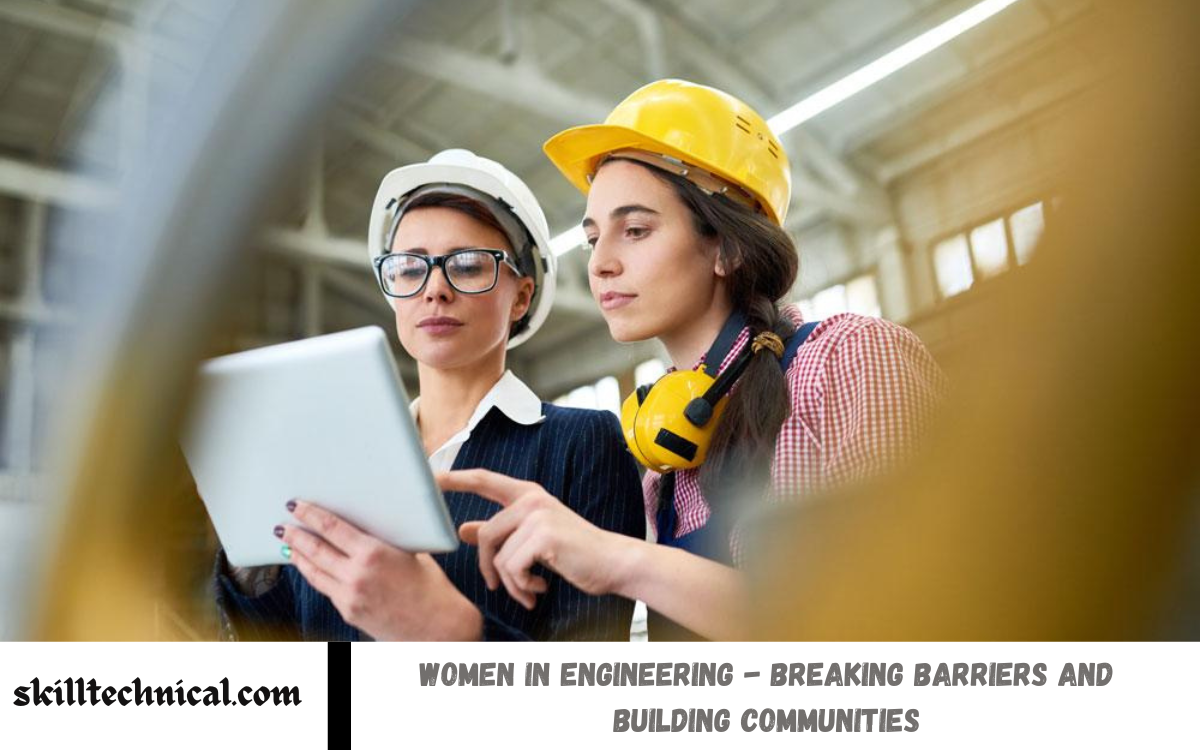
Women in engineering have long been breaking boundaries, challenging stereotypes, and making meaningful contributions to science and technology. Though engineering has traditionally been a male-dominated field, women are now stepping into the spotlight with innovation, resilience, and determination. From designing sustainable solutions to leading cutting-edge research, their impact is both inspiring and essential.
Over the years, women engineers have overcome societal expectations, educational barriers, and workplace biases to carve out their rightful place in the industry. Today, they are not just participating in engineering — they are leading, mentoring, and creating inclusive spaces for the next generation.
This movement is about more than representation; it’s about building strong communities where women can thrive, share knowledge, and support one another. Organizations, universities, and companies are now recognizing the value of diversity and are working to ensure equal opportunities and representation in every aspect of engineering.
How Women Are Shaping the Future of Engineering
Women are playing an increasingly influential role in shaping the future of engineering — not just by joining the field but by transforming it. Their unique perspectives, problem-solving skills, and collaborative approaches are driving innovation and creating more inclusive solutions to global challenges.
Women engineers are leading projects in space exploration, sustainable energy, healthcare technology, artificial intelligence, and beyond. They are founding startups, heading research labs, and influencing policies that define the future of science and technology. Their contributions demonstrate that diverse teams yield better outcomes, both technically and socially.
Women are changing the culture of engineering. They advocate for inclusive workplaces, promote mental health awareness, and mentor young talent, particularly girls who aspire to enter STEM fields. Break down traditional barriers and ensure that the next generation of engineers is more diverse and equitable.
From Stereotypes to Strength: Breaking Gender Barriers in STEM
Have faced deep-rooted stereotypes — from the idea that “girls aren’t good at math” to assumptions about leadership and technical abilities. These outdated beliefs have long discouraged many young women from pursuing careers in STEM fields. But today, a decisive shift is underway.
Women across the globe are challenging these stereotypes by excelling in labs, leading engineering teams, and solving complex real-world problems. They are not just participating in STEM — they are thriving, innovating, and demonstrating that talent knows no gender.
Breaking gender barriers hasn’t been easy. Women in STEM have had to overcome unequal access to education, limited representation, and workplace biases. Yet, their perseverance has sparked change — inspiring schools, companies, and communities to rethink how they support and encourage female talent.
Read Also: The Impact of Globalization on Engineering – Opportunities and Challenges
Building Stronger Communities Through Diversity in Engineering
Diversity in engineering isn’t just about fairness — it’s about creating more innovative, more effective solutions for real-world problems. When people from different backgrounds, experiences, and perspectives come together, innovation thrives. That’s why increasing the representation of women and other underrepresented groups in engineering is not only necessary but incredibly powerful.
Women bring unique insights, leadership styles, and collaborative approaches to engineering teams. Their presence helps challenge groupthink, improves creativity, and leads to designs and technologies that better reflect the needs of diverse communities. From developing inclusive health technologies to designing safer urban spaces, women engineers are making sure that engineering works for everyone.
Women in engineering are also helping to build supportive, community-driven environments. Through mentorship, outreach, and advocacy, they are lifting others and creating pathways for future generations to follow. These efforts strengthen the entire engineering community by promoting empathy, communication, and shared success.
Creating Equal Opportunities: The Push for Inclusive Workplaces
The call for inclusive workplaces has never been louder — especially in fields like engineering, where gender imbalance has been a longstanding issue. Creating equal opportunities isn’t just a matter of fairness; it’s a strategy for success, innovation, and long-term growth.
Inclusive workplaces ensure that everyone, regardless of gender, background, or identity, has access to the same resources, support, and opportunities to succeed. For women in engineering, this means addressing issues such as pay gaps, bias in hiring and promotions, a lack of mentorship, and limited leadership opportunities. It also means fostering a culture where voices are heard, contributions are valued, and everyone feels a sense of belonging.
Companies and institutions are taking action by implementing diversity programs, offering flexible work policies, promoting mentorship, and investing in unconscious bias training. These changes not only support women engineers but also create healthier, more dynamic work environments for all employees.
Frequently Asked Questions
Can women balance engineering careers with family life?
Yes, with the right support systems, such as flexible work policies, parental leave, and inclusive workplace cultures, many women can successfully manage both work and family responsibilities.
Are there female engineers who have made significant contributions?
Absolutely! Women like Kalpana Chawla, Gitanjali Rao, and Edith Clarke have made groundbreaking contributions to space, science, and electrical engineering.
What are some career paths available for women in engineering?
Women can work in various engineering fields, including aerospace, civil, mechanical, biomedical, software, environmental, and many others — the possibilities are vast.
How can workplaces become more inclusive for women engineers?
By addressing bias, offering equal growth opportunities, creating safe environments for all voices, and supporting diversity at all levels of the organization.
What impact do women in engineering have on the community?
Women not only innovate in technology but also mentor others, lead community outreach, and inspire the next generation of engineers — creating a lasting ripple effect.
Conclusion
Women in engineering are not only breaking through longstanding barriers — they are reshaping the future of the field. Their presence brings fresh ideas, inclusive thinking, and a collaborative spirit that benefits industries, communities, and society as a whole. From challenging stereotypes to leading innovative projects, women are proving that engineering is stronger, more creative, and more impactful when it welcomes everyone.