

Every technology cycle produces a bubble argument, but the current one has a distinctive flaw: both sides cite figures that cannot yet prove their case. Spending is measurable to the dollar; the returns are mostly forecasts. Testing the AI bubble claim means separating the ledger from the story — looking at what data centres, earnings reports and cash-flow statements can actually establish today.
For engineers and technically minded investors alike, that separation is the whole game.
What we can measure: the build-out
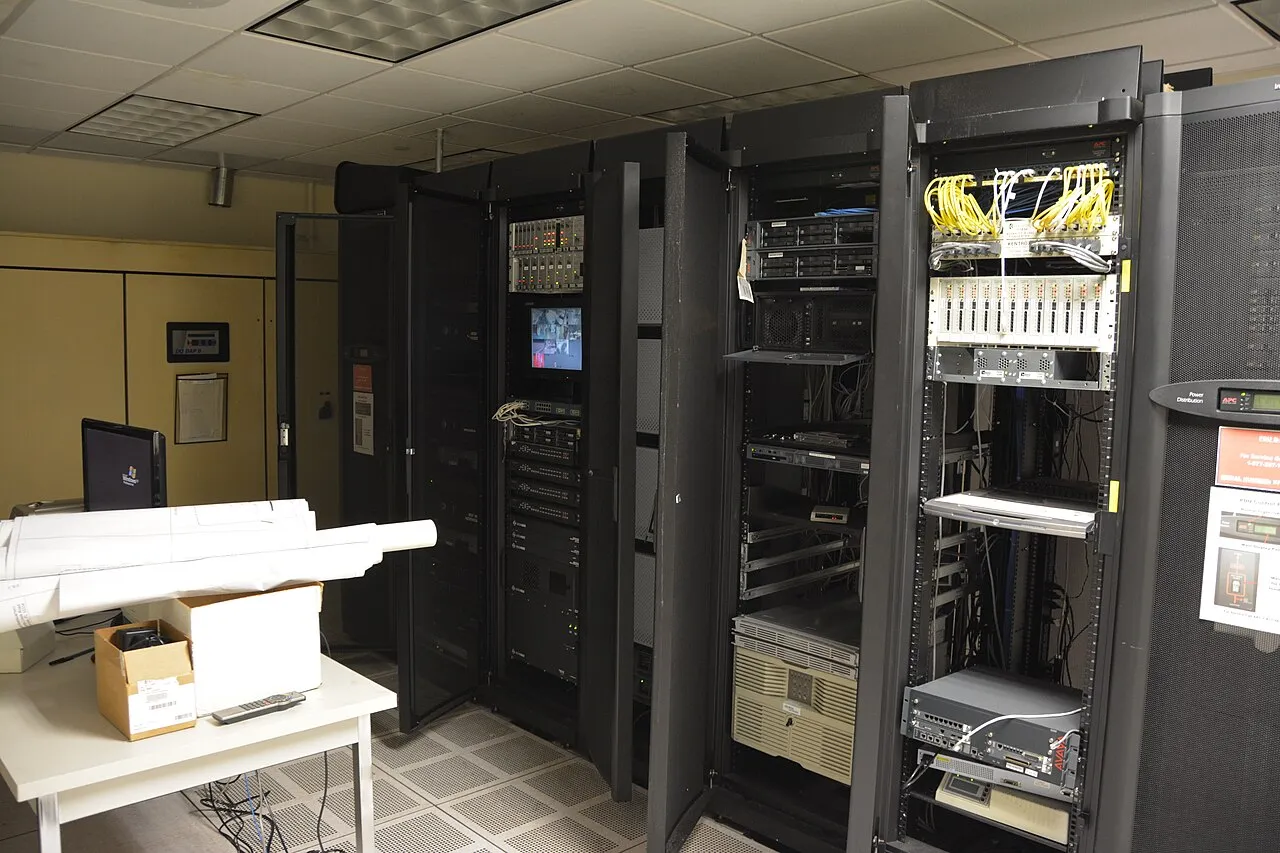
The physical side of the boom is not in dispute. Hyperscalers are committing capital at a pace without precedent in the industry, and the constraint list is tangible: chips, power connections, cooling, land. Utilisation of existing AI capacity is high enough that rental prices for top accelerators have stayed firm — a fact bears must explain, because in classic bubbles overcapacity usually shows up first as collapsing prices for the scarce input.
The honest caveat runs the other way: today’s tightness proves today’s demand, not 2028’s. Data centres are long-lived assets financed against expected workloads, and technical readers will note the depreciation question hiding inside the earnings — how long a GPU generation truly earns before successors make it second-tier kit.
What we cannot yet measure: durable returns
On the revenue side, disclosure is improving but remains patchy. AI income is frequently blended into cloud segments, pilots are announced at values their renewals may never confirm, and a meaningful share of demand circulates within the industry itself — chip makers investing in labs that buy cloud capacity from providers that buy chips. Analysts at Reuters and elsewhere have mapped these loops without pretending they invalidate the underlying demand.
The evidence gap is therefore specific, not total. We lack three things: multi-year renewal economics for enterprise AI, a clean read on consumer willingness to pay at scale, and return-on-capital figures for the newest capacity once it is fully depreciated. Each arrives on a schedule set by reporting calendars, not by debate.
The engineering wildcard
Technical progress cuts both ways in the bubble test. Efficiency gains — better models on less compute — could strand expensive capacity, or could expand demand so much that capacity chases it, as happened repeatedly with bandwidth. Anyone certain about which effect dominates is selling something.
The dot-com comparison, handled carefully, supports patience: the 1999 fibre glut coexisted with genuine, enormous eventual demand. Timelines were the error, not the technology, as the Financial Times has noted in its retrospectives.
A testable scorecard
So keep a scorecard with dates: accelerator rental prices, cloud-segment growth versus capital spending, disclosed AI revenue lines, and free cash flow at the top five spenders. If prices and returns sag together for two or three reporting cycles, the bubble claim graduates from argument to evidence. If revenue keeps absorbing the build-out, the bears owe the same concession.
A final discipline for readers of this debate is to watch incentives. The executives spending the money are rewarded for not being left behind; the analysts questioning the spending are rewarded for early warnings; the vendors in between are rewarded for telling both sides what they wish to hear. None of that makes anyone’s numbers false, but it does mean the most trustworthy signals are the ones that cost somebody something: a spender slowing a project, a sceptic upgrading a stock, a customer renewing at a higher price. Those costly signals have begun to appear in both directions, which is another way of saying the debate is entering its evidence phase at last. Engineers, who live by the principle that a system is what it does, may find that phase congenial. Ignore the keynote; read the utilisation graphs, the renewal rates and the cash-flow statements. The machines, as usual, will file the honest report.
More technical analysis lives in our Industry Insights section and on the homepage. Bubbles are not settled by conviction. They are settled, eventually, by arithmetic — and the arithmetic is still arriving.
