

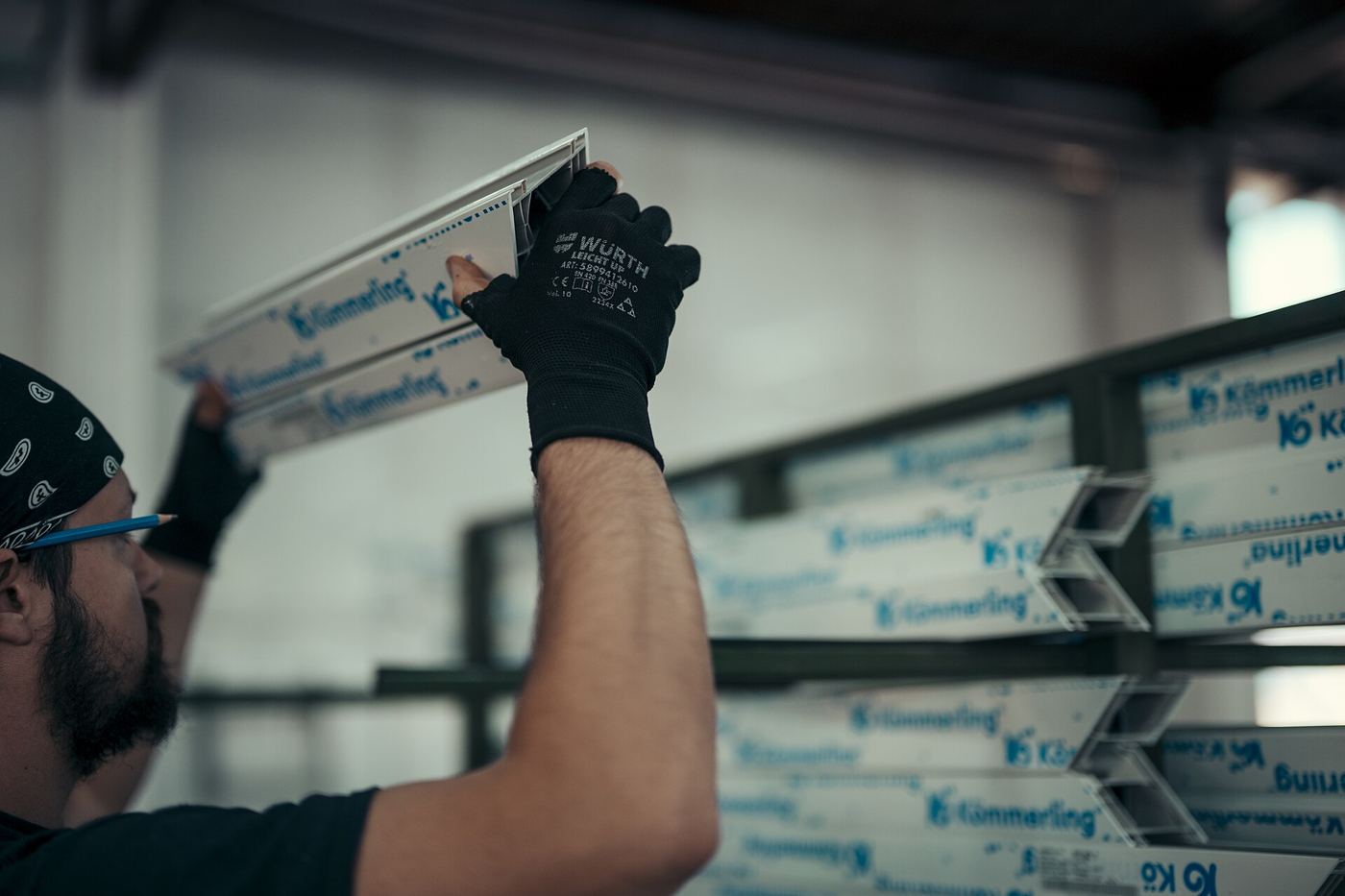
Every grand strategy of the decade runs through a pair of hands. Data centres need electricians. Grid upgrades need linesmen and panel builders. Semiconductor fabs need pipefitters and precision welders; the housing shortage needs everyone. And across the industrialised world, the trades workforce is ageing toward retirement faster than apprenticeships refill it — a shortage now described by employers not as a hiring difficulty but as the binding constraint on growth.
The pipeline problem has cultural roots. For a generation, schools steered students away from vocational tracks, shop classes were cut, and ‘good jobs’ were defined as desk jobs — even as trades wages quietly compounded. The electricians who remained are now retiring with their tacit knowledge undocumented, while demand inflects upward from electrification: every heat pump, EV charger and solar array is, at the end of the supply chain, a person with tools. Coverage on skilltechnical.com has followed employers’ increasingly creative responses.
The market responds
Wages are the first response — experienced industrial electricians and specialised welders now command packages that embarrass many graduate salaries, with signing bonuses and poaching wars in boom regions. Training is the second: employers are rebuilding apprenticeships, partnering with technical colleges, and compressing theory into paid, earn-while-you-learn models that ask nothing like a degree’s debt. Data from the Bureau of Labor Statistics project electrician employment growing much faster than average, with tens of thousands of openings a year driven substantially by retirements.
Immigration, veterans’ transition programmes and recruiting women into trades that remain overwhelmingly male are all expanding the funnel — slowly, against the arithmetic of a retiring generation.
Hands as the scarce resource
Technology is an ally here, not a threat — a distinction the trades debate often misses. The modern electrician commissions smart systems; the welder programmes a robotic cell; the HVAC technician diagnoses with thermal imaging and data logs. Far from being automated away, the trades are absorbing the technology wave as its installation and maintenance layer. Every smart building is a standing order for people who can do what no software update can: be there, hands on, making it work.
The prestige correction may be the deepest change of all. Parents and counsellors steering a mechanically gifted teenager now confront wage data that makes the old advice look negligent. The shortage will not be solved by prestige alone — training capacity, licensing and housing near the work all bind — but a generation is arriving that chose the trades with open eyes and full information. They will be, employers already say, very hard to hire away.
The strategic implication is dawning on policymakers: a country can appropriate money for a hundred factories faster than it can train the people to wire one. Timelines for energy transition and industrial policy alike now carry an asterisk — subject to hands. The trades, long treated as the past of work, are being repriced as its bottleneck and, increasingly, its best-compensated future.
