

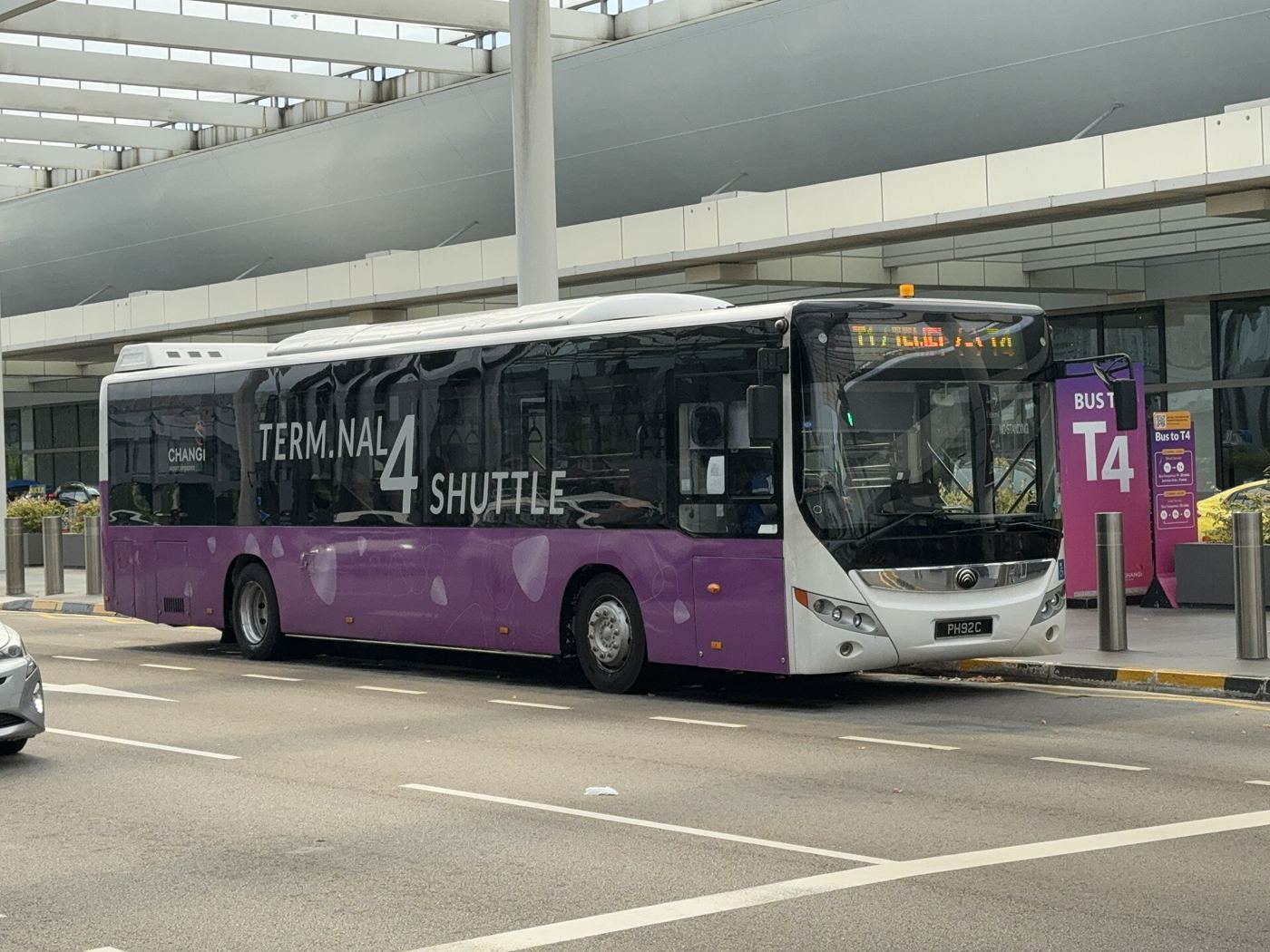
Airport shuttle services are refitting vehicles with larger luggage racks and clearer baggage areas as passenger numbers continue to climb. Drivers say oversized suitcases, sports equipment and pushchairs have become a daily challenge on busy routes, slowing boarding and blocking aisles when storage runs out. The new layouts move racks closer to the doors, add straps to stop bags sliding in transit and keep a protected space for wheelchairs that cannot be taken by suitcases. Terminal staff are also trialling marked queuing zones that sort passengers by baggage size before the bus arrives, which early observations suggest makes loading calmer. Airlines have welcomed the changes because late shuttle arrivals can ripple into missed connections during the busiest departure banks. Passengers interviewed at the terminal said the biggest improvement was simply knowing where their bags would go before they stepped on board. The changes follow months of feedback from drivers, who record delays caused by baggage problems on every shift and pass the patterns to planners.
What the Evidence Shows
Operators say the refits are being done overnight so services keep running, with a small number of vehicles completed each week. Specialists following airport shuttle luggage space say dwell time at stops is the measure that matters most, because every saved minute protects the timetable across a whole shift. Accessibility campaigners have asked operators to publish which departures guarantee step-free boarding with the new layouts. The shuttle firms say large-item rules will also be explained more clearly at booking, reducing arguments at the kerb. Further changes, including better lighting in baggage areas, are planned for next year. Terminal managers are also reviewing where shuttles stop during peak arrivals, hoping shorter walks with heavy bags will reduce congestion inside the doors. Passengers travelling in groups are being encouraged to load bags together and keep travel documents in hand luggage, a small habit the crews say saves surprising amounts of time across a busy day of departures. Reporting and analysis from sources such as Associated Press track the same developments, and specialists following airport shuttle luggage space say the direction is now consistent across independent lines of evidence.
The Wider Context
Regional and local reporting on airport shuttle luggage space often tells a different story from national coverage, because the effects land unevenly: one town’s pilot is another’s distant proposal. Analysts who follow the subject full-time read the local data first, arguing that national averages conceal the variation that decides whether a policy or a project deserves to spread.
What Happens Next
The longer story of airport shuttle luggage space is still being written by the people closest to it, whose experience rarely matches the earliest predictions of either supporters or critics. Reporting will continue to follow the evidence as it accumulates, including where it complicates today’s account. That is the deal serious coverage makes with its readers, and it holds for this subject as for any other. You can follow related developments in our coverage of news.
It is also worth remembering how quickly the picture in this area has changed before. Positions that looked settled a few years ago have been revised as new data arrived, and the same humility is appropriate now. The strongest coverage of this subject, and the most useful advice, tends to come from sources that update their views openly when the facts move, rather than defending an earlier position long after it has stopped fitting the evidence available.
