

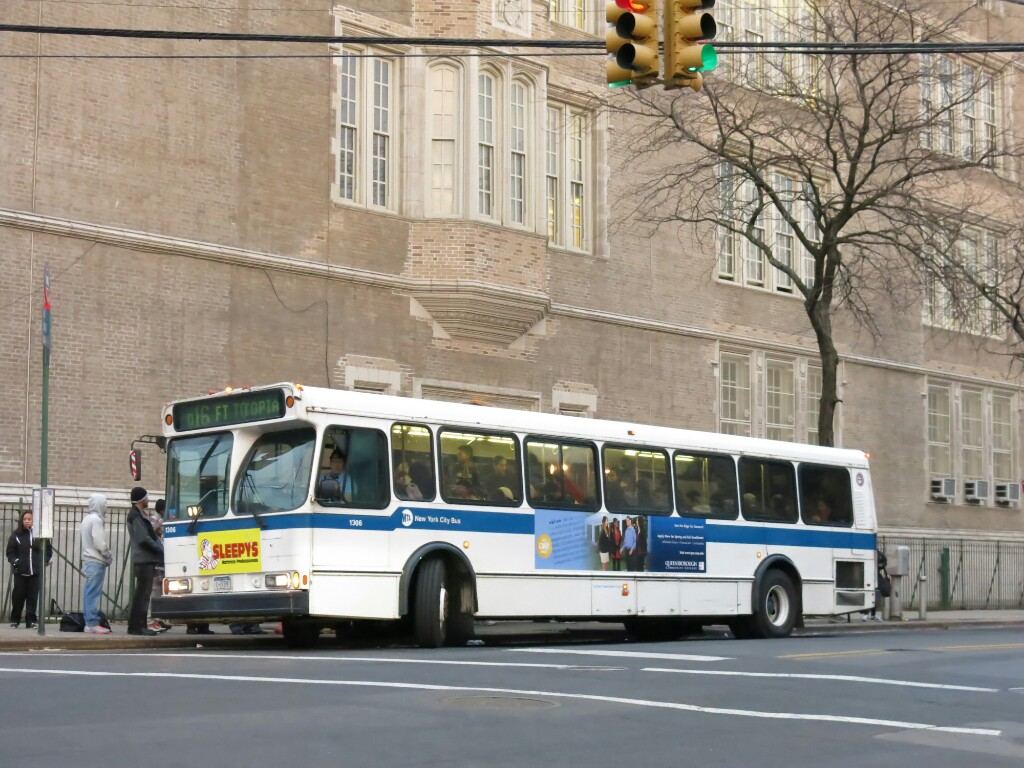
Getting on and off a city bus should not require strength, agility or guesswork, and a programme of level boarding upgrades aims to make that true at stops across the city. Raised kerbs aligned with bus floors, clearer tactile paving and better placed shelters are being installed first at stops serving hospitals, schools and shopping districts. Wheelchair users, parents with pushchairs and travellers with heavy shopping all benefit when the gap between pavement and bus is small and predictable. Passenger groups helped choose the priority stops, drawing on years of reports about difficult boarding points. Work at the first stops is already finished, and regular passengers say the difference is immediately obvious when boarding with children, luggage or mobility aids in the rain.
What the Evidence Shows
Bus companies are matching the street works with driver training and well maintained ramps and kneeling suspension, since a good stop only helps if the vehicle works with it. Transport planners say they will audit each upgraded stop with disabled passengers before signing it off, rather than relying on drawings alone. The programme also covers lighting and real time information displays, which make waiting feel safer and more certain, particularly after dark. While the upgrades arrive stop by stop rather than all at once, regular travellers should begin noticing the difference on the busiest corridors first. Campaigners say the goal is simple: a bus network that anyone in the city can use without planning around barriers. The next group of stops will be announced once this phase is complete. Reporting and analysis from sources such as Associated Press track the same developments, and specialists following level boarding bus stops say the direction is now consistent across independent lines of evidence.
The Wider Context
Regional and local reporting on level boarding bus stops often tells a different story from national coverage, because the effects land unevenly: one town’s pilot is another’s distant proposal. Analysts who follow the subject full-time read the local data first, arguing that national averages conceal the variation that decides whether a policy or a project deserves to spread.
What Happens Next
The longer story of level boarding bus stops is still being written by the people closest to it, whose experience rarely matches the earliest predictions of either supporters or critics. Reporting will continue to follow the evidence as it accumulates, including where it complicates today’s account. That is the deal serious coverage makes with its readers, and it holds for this subject as for any other. You can follow related developments in our coverage of news.
It is also worth remembering how quickly the picture in this area has changed before. Positions that looked settled a few years ago have been revised as new data arrived, and the same humility is appropriate now. The strongest coverage of this subject, and the most useful advice, tends to come from sources that update their views openly when the facts move, rather than defending an earlier position long after it has stopped fitting the evidence available.
