

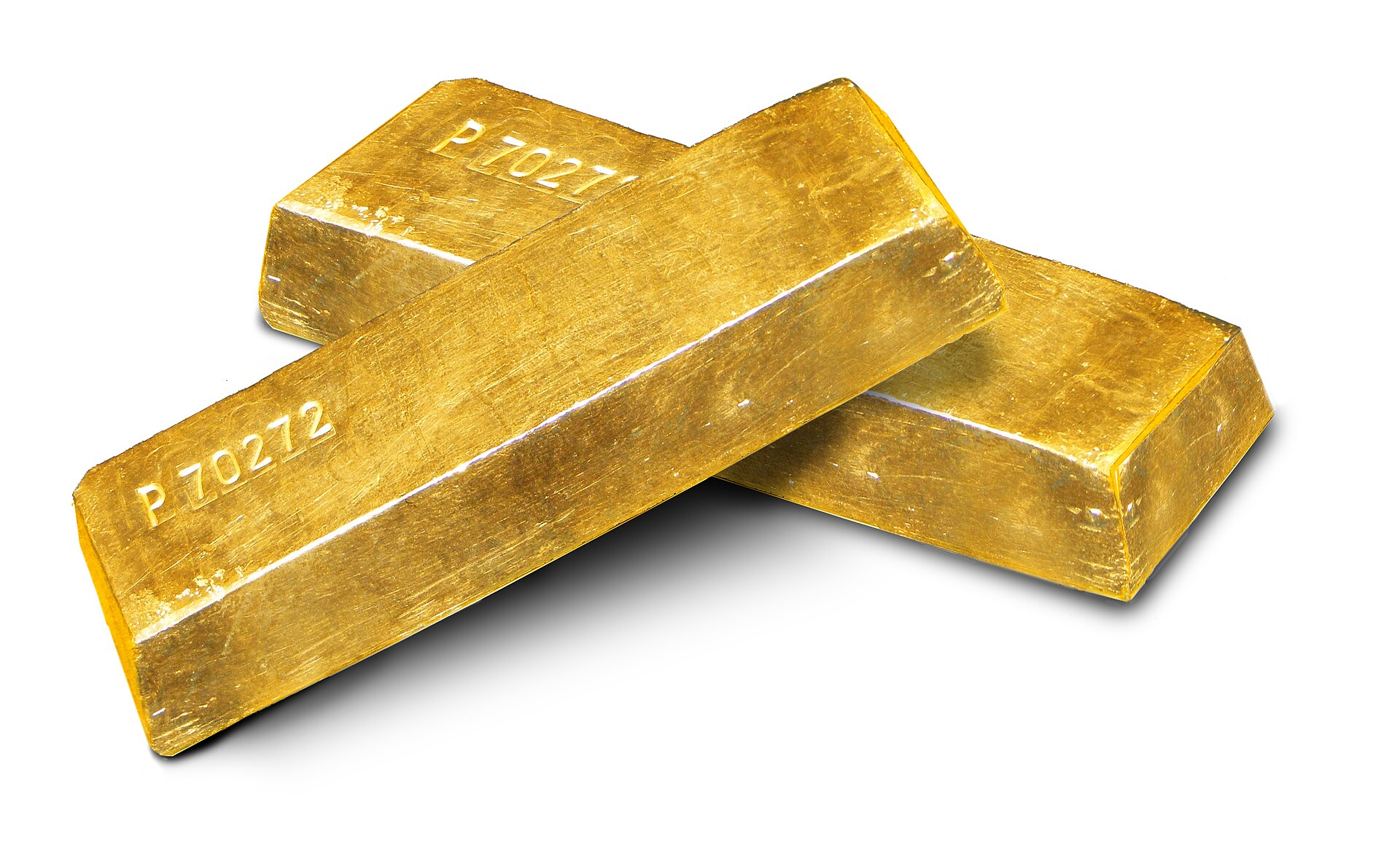
Tether, the company behind USDT, the largest dollar backed stablecoin in the world, trimmed its physical gold reserves for the first time since it became a major bullion buyer. Disclosures published in early November 2026 showed that gold held to back USDT fell by 3.4 tons to 142.8 tons at the end of September, while gold backing its Tether Gold token stayed unchanged at about 22 tons. Tether’s total disclosed gold holdings fell to about 165 tons, down from 168 tons at the end of June, after the company had bought about 14 tons in the second quarter. Despite the smaller pile, the value of the gold backing USDT rose to 19.1 billion dollars, because bullion prices climbed during the quarter.
What the Evidence Shows
Tether is now one of the largest non sovereign gold buyers in the world, and its buying has become a distinct source of demand alongside central banks and exchange traded funds. Gold made up about 10 percent of USDT reserves at the end of September, while Treasury bills remained the largest reserve asset at about 123 billion dollars, out of about 183.5 billion dollars of USDT in circulation. Tether reported 4.5 billion dollars of net operating profit in the first nine months of 2026, including 1.5 billion dollars in the third quarter, mostly from Treasury bills. Analysts at Jefferies said they remain optimistic about Tether’s long term role in the gold market, even though its purchases are likely to swing from quarter to quarter. Reporting and analysis from sources such as CoinDesk track the same developments, and specialists following Tether trimming its gold reserves say the direction is now consistent across independent lines of evidence.
The Wider Context
Market structure around Tether trimming its gold reserves has matured in measurable ways: deeper liquidity, professional custody and surveillance-sharing agreements that exchanges once resisted. None of that removes volatility, and regulators repeat that message in every publication. What it changes is the kind of failure investors face, from disappearing venues toward ordinary, legible market risk.
What Happens Next
The outlook for Tether trimming its gold reserves is best stated in scenarios rather than predictions, because this market still moves on sentiment as much as on fundamentals. The structural trends, institutional participation, regulated products and better consumer protection, point one way; the price charts will continue to point in several directions at once. Separating those two statements is the beginning of competence here. You can follow related developments in our coverage of crypto.
It is also worth remembering how quickly the picture in this area has changed before. Positions that looked settled a few years ago have been revised as new data arrived, and the same humility is appropriate now. The strongest coverage of this subject, and the most useful advice, tends to come from sources that update their views openly when the facts move, rather than defending an earlier position long after it has stopped fitting the evidence available.
