

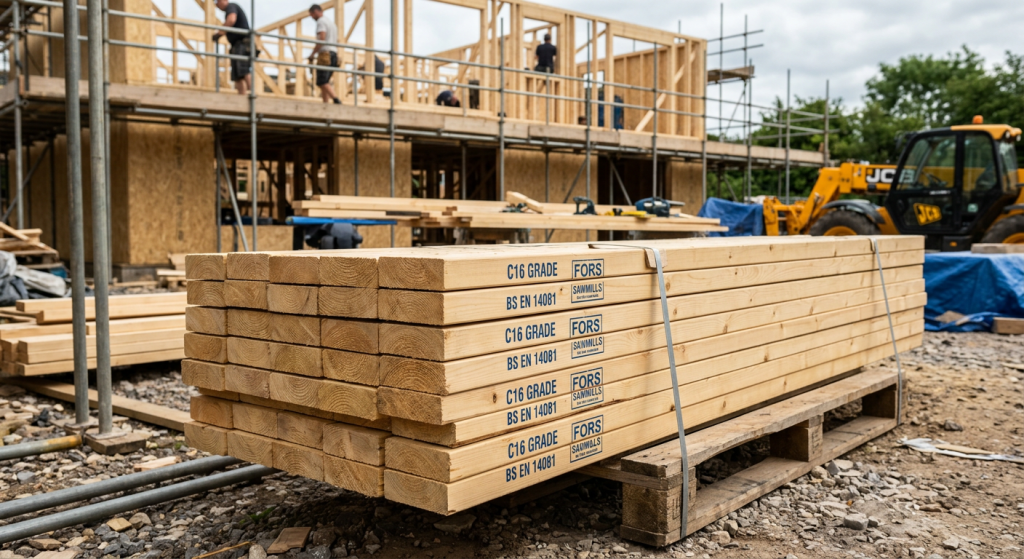
C16 timber can be strong enough for many structural projects, provided it is used in the right section size, span and application. It is one of the main strength classes used for structural softwood in the UK, and it is commonly specified for domestic construction where the design loads are moderate and the timber is correctly graded, treated and installed.
The important point is that C16 is not a “weak” timber grade. It is a recognised structural grade. The question is whether it is the correct grade for the job in front of you. A garden room floor, stud wall, roof support, pergola or internal framing project may have very different load demands from a long-span beam or a heavily loaded commercial structure.
For trade and domestic customers comparing structural timber options, Harlow Bros supplies a broad range of timber and sheet materials, backed by decades of timber knowledge and branch support across the UK.
What does C16 timber mean?
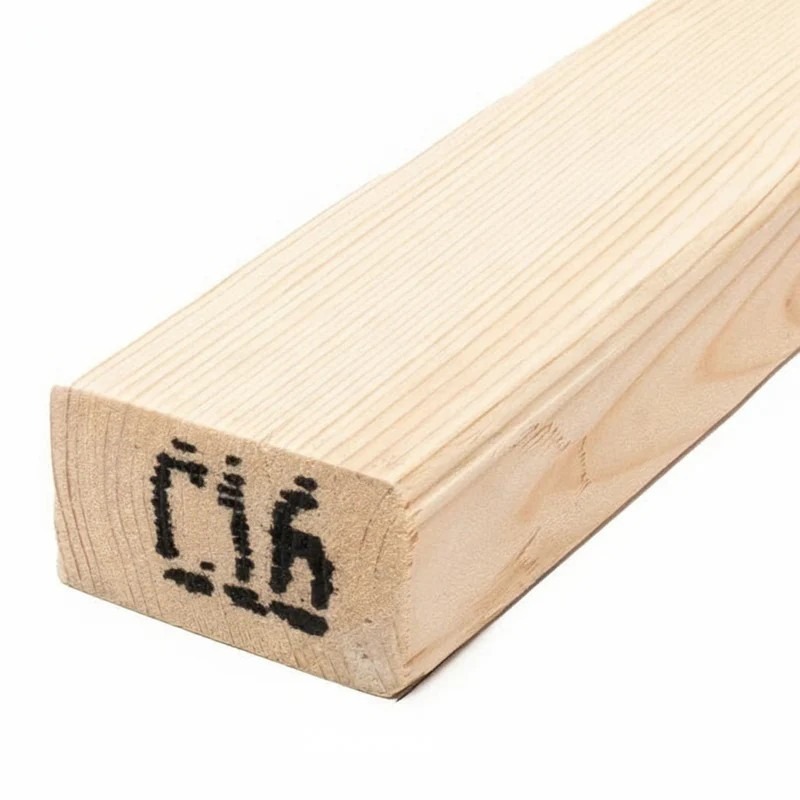
C16 is a structural strength class for softwood timber. It tells builders, designers and buyers that the timber has been graded to meet defined strength and stiffness properties. In the UK, C16 and C24 are the two most familiar softwood structural grades, and Timber Development UK explains that they are strength classes used by designers and construction buyers under BS EN 338.
The grading process looks at the timber’s natural characteristics, such as knots, grain, density and defects. Timber can be visually graded or machine graded. Once it has passed the grading process, it can be marked and sold for structural use.
That matters because not all timber is suitable for structural work. Decorative timber, joinery timber or ungraded timber may be useful for many projects, but it should not be assumed to be load-bearing.
Is C16 timber suitable for structural work?
Yes, C16 timber is suitable for structural work when the design allows for it. It is often used for internal stud walls, general carcassing, joists, rafters, roof timbers, partitions, shed framing, garden buildings and many everyday construction tasks.
However, suitability depends on more than the grade stamp. The required strength comes from the combination of grade, size, span, spacing, support, fixings, moisture conditions and load. A short piece of C16 in a well-supported frame may be perfectly appropriate, while the same grade used across a long unsupported span may not be.
For any load-critical project, the specification should be checked against the design or span table. If there is uncertainty, the safest answer is not to guess; it is to ask the designer, engineer, architect, building control officer or competent supplier.
When is C16 usually strong enough?
C16 is often strong enough for domestic and light structural work where the load is predictable and the span is not excessive. Common examples include timber studwork, floor or roof components designed around C16, garden office framing, sheds, non-complex outbuildings and general structural carpentry.
It can be a sensible choice because it is widely available and usually more cost-effective than C24. For many projects, upgrading to C24 is unnecessary if the design has already been calculated for C16.
Harlow Bros often sees C16 used in practical building projects where the priority is dependable graded timber at a sensible price. The key is matching the timber to the design rather than assuming the highest grade is always the best purchase.

When should you consider C24 instead?
C24 should be considered where a project needs higher strength, greater stiffness or a longer span. It is also commonly selected when a structural drawing, engineer’s specification or building control requirement specifically calls for C24.
C24 can be useful for longer joist spans, heavier roof structures, more demanding floor loads, commercial projects and situations where the timber section needs to be slimmer without losing performance. It is not automatically “better” for every job, but it does offer higher structural properties.
The most practical rule is simple: if the project specification says C24, use C24. If it says C16, use C16. If it does not say either, confirm before ordering.
Does treated C16 matter outdoors?
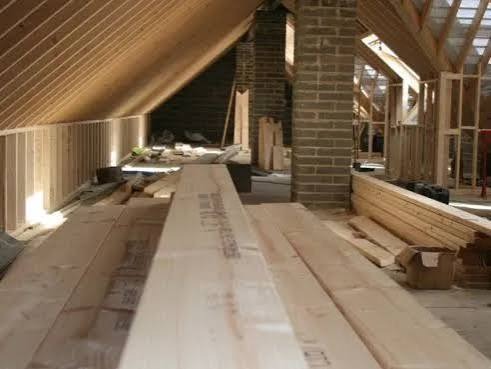
Yes, treatment matters if C16 timber is being used outdoors or in a damp environment. The structural grade tells you about strength; the treatment class helps determine whether the timber is suitable for the exposure conditions.
A dry internal stud wall is very different from a timber frame sitting in a garden building or near external moisture. Timber Development UK guidance on Use Class 3 explains that wood used outdoors but not in contact with the ground needs to be appropriate for that exposure. If timber is in ground contact, a higher level of protection may be required.
For outdoor structures, the buyer should think about drainage, ventilation, end-grain sealing, fixings and whether the timber is likely to stay wet. Even strong timber can decay early if it is used in the wrong conditions.
What checks should buyers make before ordering C16?
Before ordering C16 timber, check the grade, size, treatment, intended use and any drawings or span requirements. It is also worth confirming whether the timber will be used internally, externally, above ground or in a hidden structural location.
A simple buying checklist would include:
- Is the timber structurally graded?
- Does the drawing specify C16 or C24?
- What span and spacing are required?
- Will the timber be used indoors or outdoors?
- Does it need preservative treatment?
- Are the fixings suitable for treated timber?
- Is building control involved?
- Should an engineer confirm the design?
These questions are especially important for projects such as raised decking, garden rooms, roof work and floor structures, where failure would be more serious than a cosmetic defect.
What about building regulations?
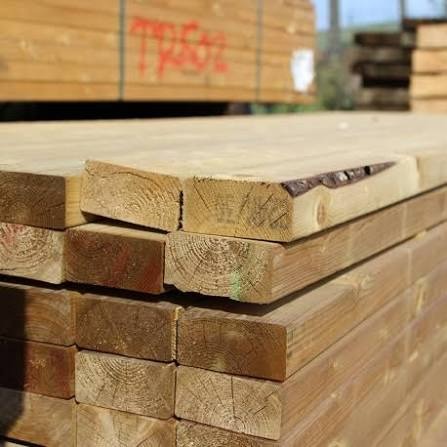
Structural timber work may need to comply with Building Regulations, especially where it affects floors, roofs, walls, extensions or habitable buildings. The official Planning Portal explains that Building Regulations set standards for design and construction to help ensure health and safety, energy conservation and accessibility.
For small DIY projects, formal approval may not always be needed, but the work should still be safe and suitable. For structural alterations, new openings, loft work, extensions and building work connected to a dwelling, professional advice is strongly recommended.
Harlow Bros can help customers source suitable timber products, but the structural design responsibility should sit with the person designing or approving the build.
Closing Thoughts
C16 timber is strong enough for many structural projects, but only when the timber size, span, spacing, treatment and design are correct. It is a recognised structural grade, not a second-rate material. The mistake is using it without checking whether the project actually calls for C16, C24 or a specific engineered solution.
For ordinary domestic framing and many light structural applications, C16 can be a practical and cost-effective choice. For longer spans, heavier loads or specified structural work, C24 or engineered timber may be required.
The safest approach is to start with the drawing, check the grade, match the treatment to the exposure and ask for advice where the design is unclear. With support from Harlow Bros, buyers can choose structural timber with more confidence and avoid over-ordering, under-specifying or using the wrong grade for the job.
