

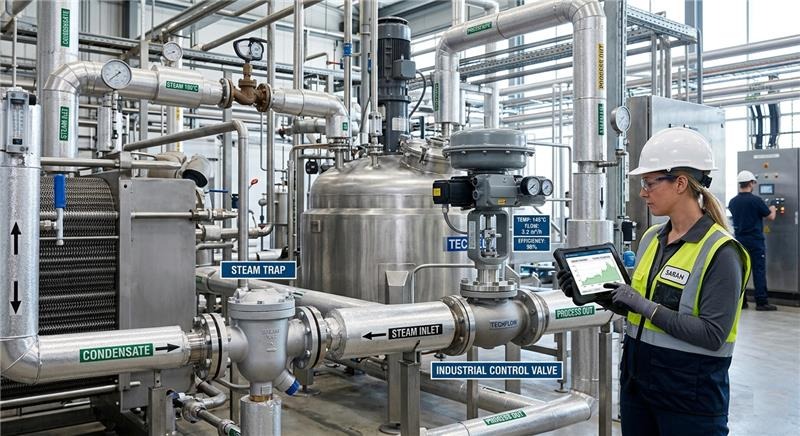
In modern industrial systems, efficiency, safety, and reliability are critical for maintaining productivity and reducing operational costs. Two essential components that play a major role in achieving these goals are steam traps and industrial control valves. Though often overlooked, these devices are fundamental in ensuring smooth process operations across industries such as manufacturing, power generation, oil & gas, and chemical processing.
This article explores how Control Specialties products like steam traps and industrial control valves contribute to efficient system performance and why they are indispensable in industrial environments.
Understanding Steam Traps and Their Importance
Steam systems are widely used for heating, power generation, and industrial processing. However, when steam transfers heat, it naturally condenses into water (known as condensate). If not properly removed, this condensate can lead to serious issues such as corrosion, reduced efficiency, and equipment damage.
This is where steam traps come into play.
A steam trap is a specialized valve designed to automatically discharge condensate and non-condensable gases while preventing the loss of live steam.
Key Functions of Steam Traps
Steam traps perform three essential functions:
- Condensate removal: Ensures that water formed from steam is efficiently discharged
- Steam retention: Prevents valuable steam from escaping
- Air venting: Removes air and gases that reduce system efficiency
By performing these functions, steam traps maintain optimal heat transfer and system efficiency.
Why Steam Traps Are Critical in Industrial Systems
Without proper condensate removal, steam systems can suffer from several operational issues:
- Water hammer: Sudden pressure surges caused by trapped condensate
- Corrosion: Moisture buildup damages pipes and equipment
- Reduced heat transfer efficiency: Wet steam is less effective
- Energy loss: Steam escaping unnecessarily increases costs
Steam traps help prevent these problems by ensuring that only dry steam is used in the system.
Common Applications
Steam traps are widely used in:
- Heat exchangers
- Steam pipelines
- Boilers and turbines
- Food processing and chemical industries
- Textile and paper manufacturing
Their ability to maintain system efficiency makes them essential across multiple sectors.
Types of Steam Traps
Different industrial applications require different types of steam traps. The most common categories include:
1. Mechanical Steam Traps
- Operate based on density differences between steam and condensate
- Example: Float and inverted bucket traps
2. Thermostatic Steam Traps
- Respond to temperature differences
- Ideal for applications requiring precise temperature control
3. Thermodynamic Steam Traps
- Use pressure and velocity differences
- Durable and suitable for high-pressure systems
Each type is designed for specific operational needs, ensuring flexibility and efficiency in diverse industrial environments.
What Are Industrial Control Valves?
While steam traps manage condensate, Control Specialties regulate the flow of fluids such as steam, water, gas, or chemicals within a system.
Control valves are essential components in process automation systems. They adjust flow rates, pressure, and temperature based on signals from controllers, ensuring that industrial processes operate within desired parameters.
Role of Control Valves in Industrial Automation
Control valves act as the “final control element” in a process control loop. They receive signals from controllers and adjust accordingly to maintain system stability.
Key Functions
- Flow regulation: Controls the amount of fluid passing through
- Pressure control: Maintains safe operating pressure
- Temperature control: Ensures consistent process conditions
- Process stability: Prevents fluctuations and system failures
In automated environments, control valves are critical for maintaining precision and consistency.
Types of Industrial Control Valves
Control valves come in various designs depending on application requirements:
1. Globe Valves
- High precision control
- Common in throttling applications
2. Ball Valves
- Quick shut-off capability
- Suitable for on/off control
3. Butterfly Valves
- Lightweight and cost-effective
- Ideal for large flow systems
4. Pressure Control Valves
- Maintain consistent pressure levels
- Used in steam and gas systems
Each type offers unique advantages, making selection crucial based on process needs.
How Steam Traps and Control Valves Work Together
Steam traps and control valves often work in tandem within industrial systems:
- Control valves regulate steam flow and pressure
- Steam traps remove condensate and maintain efficiency
Together, they ensure:
- Efficient heat transfer
- Reduced energy consumption
- Improved equipment lifespan
- Stable process conditions
For example, in a heat exchanger system:
- A control valve regulates steam input
- A steam trap removes condensate after heat transfer
This coordination ensures maximum efficiency and minimal energy loss.
Benefits of Using High-Quality Steam Traps and Control Valves
Investing in reliable components offers several long-term benefits:
1. Energy Efficiency
Proper condensate removal and flow control reduce energy waste.
2. Cost Savings
Lower energy consumption and reduced maintenance costs improve profitability.
3. Enhanced Safety
Prevents pressure buildup, leaks, and system failures.
4. Increased Equipment Life
Minimizes wear and tear caused by moisture and pressure fluctuations.
5. Improved Process Performance
Ensures consistent and reliable industrial operations.
Best Practices for Selection and Maintenance
To maximize performance, consider the following:
Selection Tips
- Match valve/trap type to application
- Consider pressure, temperature, and flow requirements
- Choose materials compatible with process fluids
Maintenance Tips
- Regular inspection and testing
- Replace faulty steam traps promptly
- Monitor control valve performance for issues like stiction
Proper maintenance ensures long-term reliability and efficiency.
Conclusion
Steam traps and industrial control valves are vital components in any industrial system. While steam traps ensure efficient condensate removal and energy conservation, control valves provide precise regulation of flow, pressure, and temperature.
Together, they form the backbone of efficient, safe, and reliable industrial operations. By understanding their roles and selecting the right solutions, industries can significantly enhance performance, reduce costs, and maintain operational excellence.