

“Let me check with housing.”That’s what the caseworker said—again. Same client. Different department. And no clue what had already been done, who was involved, or if services were actually delivered.
So they sent an email. Made a call. Left a voicemail.
Meanwhile, the client waited. Again.
If that sounds familiar, you’re not alone. Silos are the invisible walls separating teams that should be working together. And in human services, those walls don’t just slow things down—they cost people time, dignity, and sometimes, critical support.
Modern human services software exists to tear those walls down. Not with brute force, but with smart, secure systems that connect data, people, and programs in real time.
Let’s talk about how.
Silos Create Gaps—and Clients Fall Into Them
Human services work is inherently collaborative. Housing teams, child welfare workers, behavioral health counselors, educators—they all intersect with the same families, the same individuals, often at the same time.
But when those departments operate in isolation?
- Clients repeat their stories (trauma included)
- Services overlap—or worse, contradict
- No one sees the full picture, just fragments
- Outcomes become harder to measure, improve, or defend
It’s not a staffing problem. It’s a systems problem.
Connection Starts With the Right Tools
Enter modern human services software like Casebook.
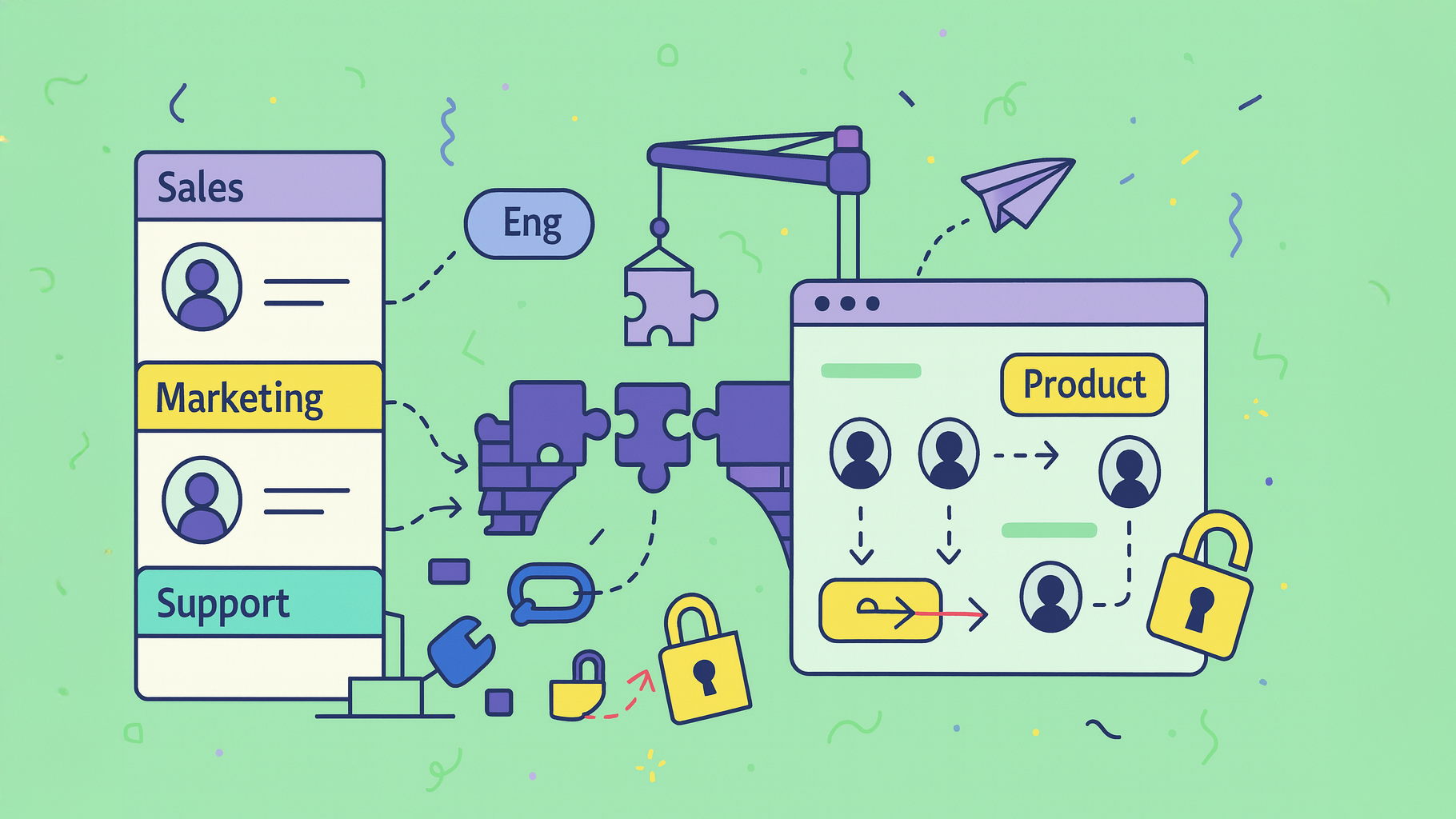
These platforms aren’t just digital filing cabinets. They’re collaboration engines—designed to help agencies work with each other, not around each other.
Here’s what that looks like:
– Shared case records (with role-based permissions)
– Cross-program workflows that reflect real-life service coordination
– Secure internal messaging and documentation trails
– Dashboards that show progress across multiple services
No more “Let me email housing.” Just: “Let me check the file.”
A Single Source of Truth
When each program keeps its own version of the truth, confusion is inevitable.
Casebook offers centralized records—secure, accessible, and constantly updated. Everyone from intake to exit sees the same client profile, the same plan, the same progress notes.
It’s not just about efficiency (though that’s a bonus). It’s about alignment.
When housing sees what child services is doing, and mental health sees where referrals went, coordination becomes instinctive. And clients? They stop getting lost in the shuffle.
Better Collaboration, Better Data, Smarter Decisions
With integrated software, agencies don’t just communicate—they learn from each other.
Patterns emerge. Service gaps become visible. And leadership can make smarter resource decisions, backed by real-time data—not gut feelings or quarterly reports.
Think:
- Seeing how housing instability impacts school attendance
- Tracking the ripple effect of a behavioral health intervention
- Identifying communities with rising unmet needs across services
This is what systemic collaboration looks like—and it starts with shared visibility.
Bonus: Your Team Will Thank You
Let’s be real: staff burnout is brutal. And siloed systems only make it worse.
When caseworkers are stuck re-entering the same data, chasing status updates, or relying on outdated information? It’s demoralizing.
Unified systems don’t just help clients—they support your workforce. They remove friction. Save time. Make communication easier. And let people actually focus on the work they care about.
And when staff feel supported, clients get better support. Full circle.
Final Thought: Tear Down the Walls
If your agency’s programs are still siloed—digitally or operationally—then you’re leaving collaboration up to chance. And in human services, chance is too risky.
Today’s clients need coordinated care. Your teams need shared systems. And your community needs the kind of holistic support that only connected infrastructure can deliver.
Modern human services software like Casebook gives agencies the visibility, flexibility, and trust they need to truly work together.
Because the best care happens when nobody’s working in the dark.