Close Menu
SkillTechnical
    Facebook X (Twitter) Instagram
    Trending
    • Why Online Gaming Continues to Dominate Digital Entertainment
    • M88 Customer Support and Service Review
    • Why Renewable Energy Is Becoming a Core Career Path for Mechanical Engineers
    • M88 Casino Games with the Highest Winning Potential
    • The Complete Guide to Business Insurance for Small Businesses
    • Lịch thi đấu bóng đá – All Leagues Football Match Schedule
    • M88: Situs Casino dengan Sistem Fair Play Terpercaya
    • Kết Quả Bóng Đá – Cập Nhật Tỷ Số Nhanh Và Chính Xác Từng Trận
    Facebook X (Twitter) Instagram Pinterest Vimeo
    SkillTechnical
    • Home
    • Skill Development
    • Career Growth
    • Engineering Solutions
    • Industry Insights
    • Problem Solving
    SkillTechnical
    Home»Blog»Breaking Down Silos: Enhancing Collaboration Across Human Services Programs
    Blog

    Breaking Down Silos: Enhancing Collaboration Across Human Services Programs

    Emran SarkareBy Emran SarkareNovember 21, 2025No Comments3 Mins Read
    Share Facebook Twitter Pinterest LinkedIn Tumblr Reddit Telegram Email
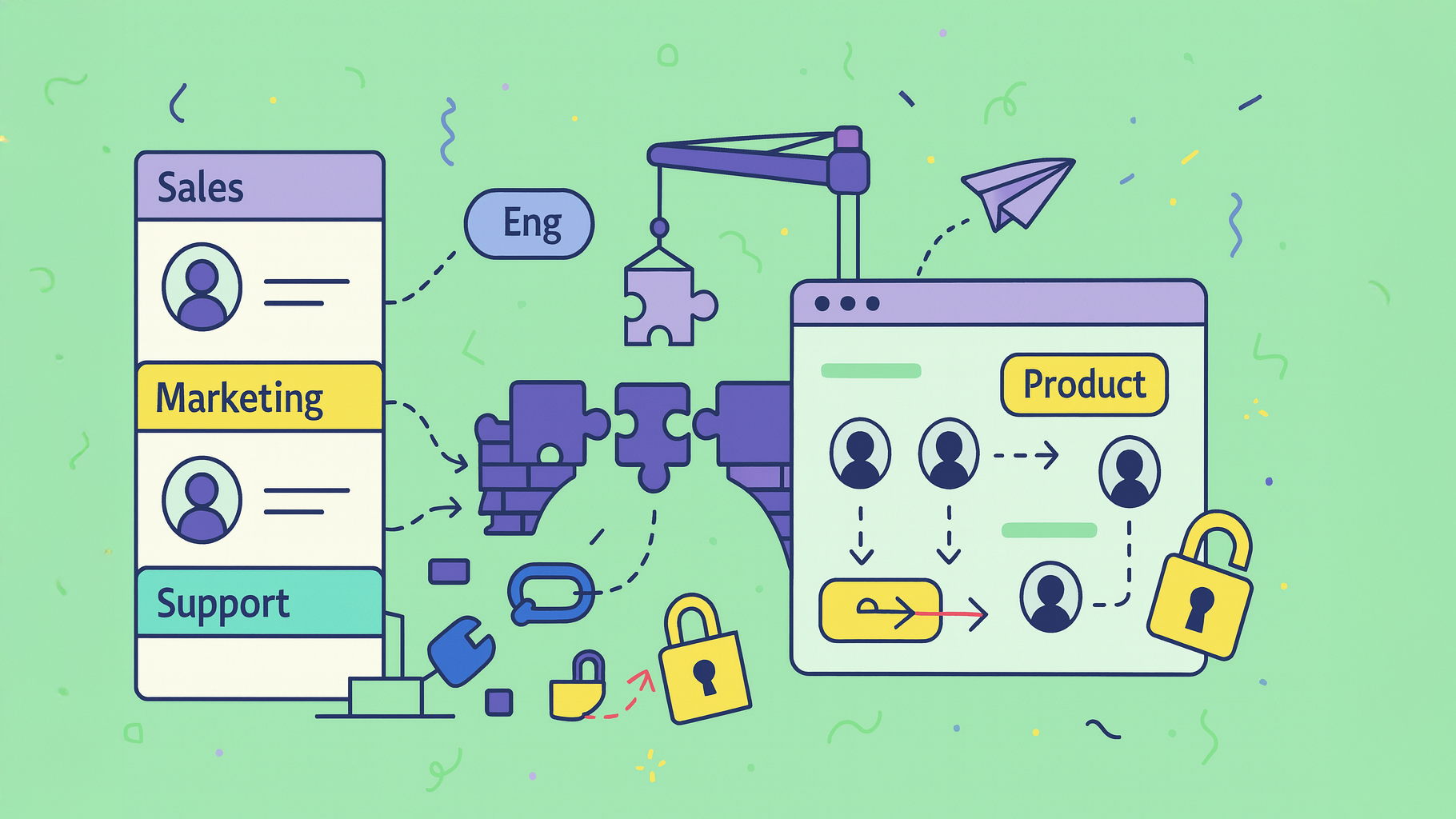
    Breaking Down Silos Enhancing Collaboration Across Human Services Programs

    “Let me check with housing.”That’s what the caseworker said—again. Same client. Different department. And no clue what had already been done, who was involved, or if services were actually delivered.

    So they sent an email. Made a call. Left a voicemail.

    Meanwhile, the client waited. Again.

    If that sounds familiar, you’re not alone. Silos are the invisible walls separating teams that should be working together. And in human services, those walls don’t just slow things down—they cost people time, dignity, and sometimes, critical support.

    Modern human services software exists to tear those walls down. Not with brute force, but with smart, secure systems that connect data, people, and programs in real time.

    Let’s talk about how.

    Silos Create Gaps—and Clients Fall Into Them

    Human services work is inherently collaborative. Housing teams, child welfare workers, behavioral health counselors, educators—they all intersect with the same families, the same individuals, often at the same time.

    But when those departments operate in isolation?

    • Clients repeat their stories (trauma included)

    • Services overlap—or worse, contradict

    • No one sees the full picture, just fragments

    • Outcomes become harder to measure, improve, or defend

    It’s not a staffing problem. It’s a systems problem.

    Connection Starts With the Right Tools

    Enter modern human services software like Casebook.

    These platforms aren’t just digital filing cabinets. They’re collaboration engines—designed to help agencies work with each other, not around each other.

    Here’s what that looks like:

    – Shared case records (with role-based permissions)
    – Cross-program workflows that reflect real-life service coordination
    – Secure internal messaging and documentation trails
    – Dashboards that show progress across multiple services

    No more “Let me email housing.” Just: “Let me check the file.”

    A Single Source of Truth

    When each program keeps its own version of the truth, confusion is inevitable.

    Casebook offers centralized records—secure, accessible, and constantly updated. Everyone from intake to exit sees the same client profile, the same plan, the same progress notes.

    It’s not just about efficiency (though that’s a bonus). It’s about alignment.

    When housing sees what child services is doing, and mental health sees where referrals went, coordination becomes instinctive. And clients? They stop getting lost in the shuffle.

    Better Collaboration, Better Data, Smarter Decisions

    With integrated software, agencies don’t just communicate—they learn from each other.

    Patterns emerge. Service gaps become visible. And leadership can make smarter resource decisions, backed by real-time data—not gut feelings or quarterly reports.

    Think:

    • Seeing how housing instability impacts school attendance

    • Tracking the ripple effect of a behavioral health intervention

    • Identifying communities with rising unmet needs across services

    This is what systemic collaboration looks like—and it starts with shared visibility.

    Bonus: Your Team Will Thank You

    Let’s be real: staff burnout is brutal. And siloed systems only make it worse.

    When caseworkers are stuck re-entering the same data, chasing status updates, or relying on outdated information? It’s demoralizing.

    Unified systems don’t just help clients—they support your workforce. They remove friction. Save time. Make communication easier. And let people actually focus on the work they care about.

    And when staff feel supported, clients get better support. Full circle.

    Final Thought: Tear Down the Walls

    If your agency’s programs are still siloed—digitally or operationally—then you’re leaving collaboration up to chance. And in human services, chance is too risky.

    Today’s clients need coordinated care. Your teams need shared systems. And your community needs the kind of holistic support that only connected infrastructure can deliver.

    Modern human services software like Casebook gives agencies the visibility, flexibility, and trust they need to truly work together.

    Because the best care happens when nobody’s working in the dark.

    Previous ArticleRR88 — Real-Life Success Stories from a Gaming Community
    Next Article Step-by-Step Guide to Registering and Playing on F8Bet Online
    Emran Sarkare
    Emran Sarkare
    • Website

    Emran Sarkar is the driving force behind SkillTechnical, bringing a passion for engineering and a vision for smarter skill development. With a background in technical education and digital innovation, Emran leads with a mission to empower engineers and learners through accessible, high-quality resources.

    Related Posts

    Blog

    Why Online Gaming Continues to Dominate Digital Entertainment

    May 18, 2026
    Blog

    M88 Customer Support and Service Review

    May 18, 2026
    Blog

    Why Renewable Energy Is Becoming a Core Career Path for Mechanical Engineers

    May 18, 2026
    Add A Comment

    Comments are closed.

    Search
    Recent Posts

    Why Businesses Need an Integrated Security Analytics Hub

    January 13, 2026

    Solving Everyday Problems Using the Engineering Design Cycle

    July 4, 2025

    Collaborative Problem Solving – A Guide to Effective Teamwork

    July 3, 2025

    Data engineering challenges 2025 – Insights into benefits and solutions

    June 28, 2025

    12 Powerful Creative Problem-Solving Techniques That Work

    June 25, 2025

    Future-Proof Your Career – The Top Skills Employers are Looking for in 2025

    June 23, 2025
    About Us

    SkillTechnical empowers engineers by sharpening technical abilities and building smarter solutions. We drive innovation and foster growth,

    crafting the skills needed to succeed in an ever-evolving world. Engineer smarter solutions for a brighter future. #SkillTechnical

    | ufa365

    Facebook Instagram YouTube Telegram
    Popular Posts

    12 Powerful Creative Problem-Solving Techniques That Work

    June 25, 2025356 Views

    Collaborative Problem Solving – A Guide to Effective Teamwork

    July 3, 2025295 Views

    The Impact of Globalization on Engineering – Opportunities and Challenges

    June 2, 2025149 Views
    Contact Us

    We welcome your feedback and inquiries at SkillTechnical. Whether you have a news tip, an advertising request, or need support, feel free to reach out.

    Email: contact@outreachmedia .io
    Phone: +92 305 5631208

    Address:317 Goldleaf Lane
    Newark, NJ 07102

    Copyright © 2026 | All Right Reserved | SkillTechnical

    • About Us
    • Contact Us
    • Disclaimer
    • Privacy Policy
    • Terms and Conditions
    • Write For Us
    • Sitemap

    Type above and press Enter to search. Press Esc to cancel.

    WhatsApp us