

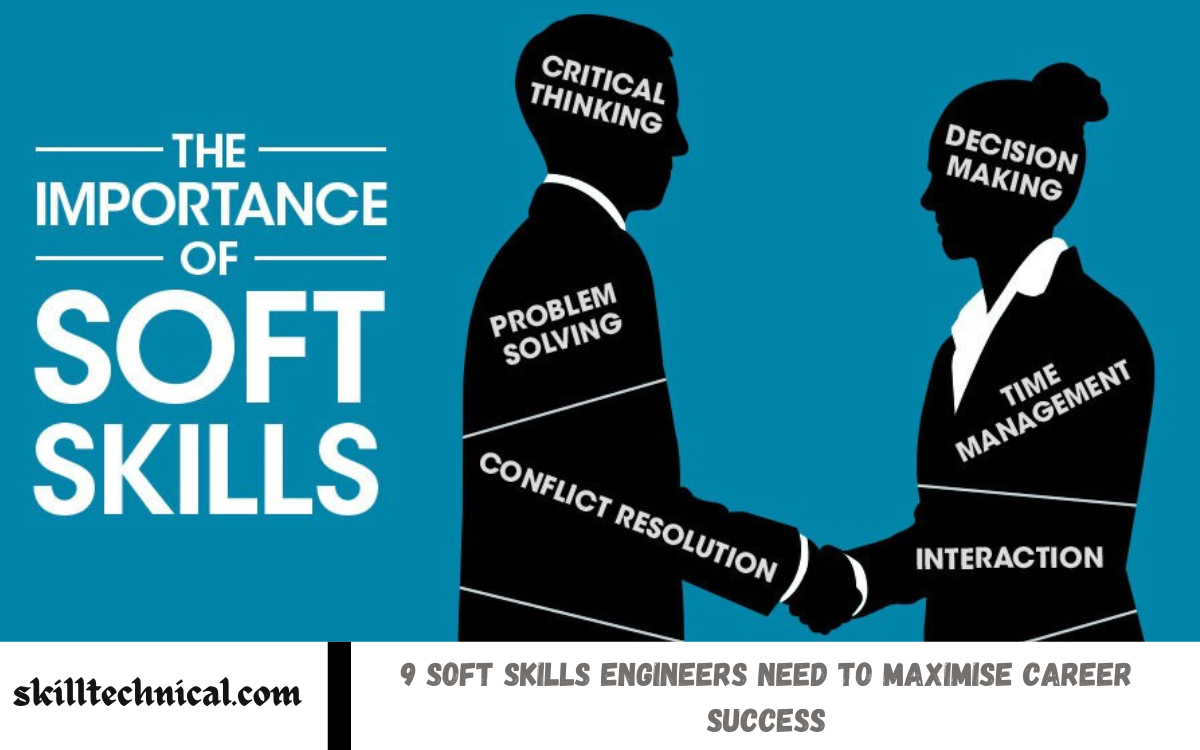
Being a great engineer means more than just writing efficient code or designing innovative systems; it also involves being a skilled communicator and a collaborative team player. While technical expertise remains essential, soft skills are increasingly becoming the key to long-term career success. Employers now look for engineers who can not only solve problems but also communicate effectively, collaborate with diverse teams, and adapt to constant change.
Soft skills—often referred to as “people skills” or “interpersonal skills”—play a crucial role in how engineers interact with clients, colleagues, and stakeholders. Whether you’re leading a project, presenting your ideas, or working in a team, strong and soft skills can help you stand out from the competition. They help build trust, improve teamwork, and open the door to leadership opportunities.
Many engineers overlook the importance of these non-technical abilities, focusing solely on technical growth. However, the truth is that mastering soft skills can be the game-changer that elevates your career to the next level. In this article, we’ll explore the nine most critical soft skills every engineer should develop—and how each one can help you grow not just as a professional but as a well-rounded contributor in any organization.
Effective Communication: Speak Clearly, Listen Actively
Effective communication is one of the most valuable soft skills an engineer can develop. It’s not just about talking—it’s about making sure your message is understood and being open to others’ ideas.
As an engineer, you’ll often need to explain complex technical concepts to people who don’t have a technical background—like clients, managers, or other departments. Using clear, simple language helps avoid confusion and builds trust. On the other hand, listening actively—paying full attention without interruption—shows respect and helps you fully understand problems, feedback, or instructions.
Whether you’re writing an email, giving a presentation, or participating in a team meeting, good communication ensures that ideas flow smoothly, projects stay on track, and misunderstandings are minimized.
Teamwork & Collaboration: Working Better Together
Engineering projects are rarely completed alone. Whether you’re designing software, building infrastructure, or solving a technical problem, success often depends on how well you work with others. That’s why teamwork and collaboration are essential soft skills for every engineer.
Being a strong team player means more than just doing your share of the work. It’s about supporting your teammates, respecting different viewpoints, and working toward a common goal. Good collaborators know how to listen and provide constructive feedback.
In diverse teams—where people may have different roles, expertise, or cultural backgrounds—collaboration becomes even more valuable. When everyone contributes their strengths, the group becomes more innovative, efficient, and successful.
Problem-Solving Mindset: Beyond the Code
At its core, engineering is all about solving problems. But real success comes when you look beyond just the technical side and approach challenges with a proactive, creative, and solution-focused mindset.
A strong problem-solving mindset means being curious, analytical, and calm under pressure. Troubleshooting systems—it’s about understanding the broader picture, identifying the root cause, and thinking critically to find the most effective solution. Great engineers don’t jump to conclusions. They ask questions, gather information, and explore various options before taking action.
Sometimes, the best solution isn’t the most technical one—it’s the one that balances time, cost, and user needs. That’s why engineers with this mindset often stand out: they combine logic with creativity and practical thinking.
Adaptability: Embracing Change in a Fast-Moving World
Technology evolves at lightning speed—and so does the world of engineering. New tools, frameworks, systems, and methods emerge regularly. To stay relevant and successful, engineers must be adaptable and open to change.
Adaptability means being flexible in how you work, learn, and respond to new situations. It’s about adjusting to shifting project goals, unexpected problems, or changes in team dynamics without getting stuck or overwhelmed. Instead of resisting change, adaptable engineers embrace it as an opportunity to grow and improve.
Being adaptable shows that you’re reliable and resilient. Whether you’re switching to a new coding language, adjusting to remote work, or taking on a different role in a project, your willingness to step outside your comfort zone adds tremendous value to your team and company.
Emotional Intelligence: Understand Yourself and Others
Emotional intelligence, often referred to as EQ, is the ability to recognize, understand, and manage your own emotions—while also being aware of the feelings of others. For engineers, this skill is just as important as technical know-how.
In team settings, high emotional intelligence enables you to remain calm under pressure, handle feedback graciously, and navigate conflict with empathy and respect. It allows you to understand how your words and actions affect those around you, which is crucial when working in diverse or cross-functional teams.
Engineers with strong emotional intelligence (EQ) are better at building trust, maintaining positive relationships, and leading by example. They know how to communicate without causing friction, support teammates who are stressed, and respond thoughtfully rather than react impulsively.
Time Management: Work Smart, Not Just Hard
Deadlines are tight, projects are complex, and multitasking is often a daily reality. That’s why time management is a must-have skill—it helps you stay focused, organized, and productive without feeling overwhelmed.
Good time management isn’t about doing everything at once; it’s about knowing what matters most and managing your workload wisely. It means setting priorities, breaking tasks into manageable steps, and avoiding distractions that can waste valuable hours.
Engineers who manage their time well are better at meeting project deadlines, handling unexpected challenges, and maintaining a healthy work-life balance. They know how to estimate the time required for tasks, schedule their day effectively, and avoid last-minute rushes.
Leadership Skills: Inspire, Guide, and Influence
Leadership isn’t just about having a fancy title—it’s about inspiring others, guiding teams, and making a positive impact. For engineers, strong leadership skills can transform a promising career into a truly exceptional one.
Leadership means taking initiative, making confident decisions, and helping others succeed. Even if you’re not a manager, you can still lead by setting a good example, sharing knowledge, and stepping up when challenges arise. Great leaders are trusted because they listen well, communicate clearly, and keep the team focused on the goal.
Engineers with leadership skills know how to manage conflict, keep projects on track, and motivate teammates—especially during high-pressure situations. They’re solution-focused, calm under pressure, and skilled at balancing both technical details and big-picture thinking.
Read Also: Is it Worth Getting a Master’s in Mechanical Engineering
Critical Thinking: Make Smart, Data-Driven Decisions
Critical thinking is the ability to analyze situations objectively, evaluate information carefully, and make well-informed decisions. For engineers, this skill is crucial—it helps ensure that your solutions are not only technically sound but also practical and effective.
In day-to-day work, engineers constantly face complex problems. Critical thinkers don’t jump to conclusions or rely on guesswork. Instead, they break down the issue, examine the facts, question assumptions, and weigh the pros and cons before choosing the best course of action.
This skill also involves being open-minded. Great engineers welcome different perspectives, consider alternative solutions, and aren’t afraid to challenge their ideas. They use logic, data, and reason—not emotion or opinion—to guide their decisions.
Networking & Relationship Building: Grow Beyond Your Role
Technical skills might get your foot in the door—but relationships help you climb the ladder. Networking and relationship building aren’t just for businesspeople—they’re just as important for engineers who want to grow, learn, and lead.
Building professional relationships involves connecting with colleagues, mentors, industry peers, and clients genuinely and respectfully. It’s not about collecting contacts—it’s about creating trust, sharing knowledge, and supporting one another’s success.
Strong networks can open doors to job opportunities, mentorship, partnerships, and collaborations, providing valuable connections and resources that can significantly enhance one’s career. They also offer access to diverse perspectives and practical advice that can improve your career.
Frequently Asked Questions
Are soft skills harder to learn than technical skills?
Soft skills often require more time to develop because they involve changes in behavior, mindset, and self-awareness. But with consistent effort, anyone can improve them.
Do employers actually assess soft skills during the hiring process?
Absolutely. During interviews, employers often look for examples of teamwork, communication, leadership, and adaptability through behavioral questions and group exercises.
How do soft skills help in remote or hybrid work environments?
They’re even more crucial. With less face-to-face interaction, clear communication, emotional intelligence, and time management are essential to keep work moving smoothly.
Are these soft skills also practical for fresh graduates?
Yes. Even at the entry-level, soft skills make you stand out from other candidates. They show maturity, professionalism, and the potential to grow in a team environment.
Can soft skills be measured or tracked?
While they’re harder to quantify than technical skills, progress can be seen through feedback, improved relationships, increased responsibilities, and better project outcomes.
Conclusion
In the world of engineering, technical expertise will always be necessary—but it’s the soft skills that truly shape long-term success. From communicating clearly and working well with others to leading with confidence and thinking critically, these nine soft skills help engineers stand out, adapt, and grow in any environment. Whether you’re a student, a junior engineer, or a seasoned professional, investing in soft skills can boost your confidence, improve your teamwork, and open doors to new opportunities.