

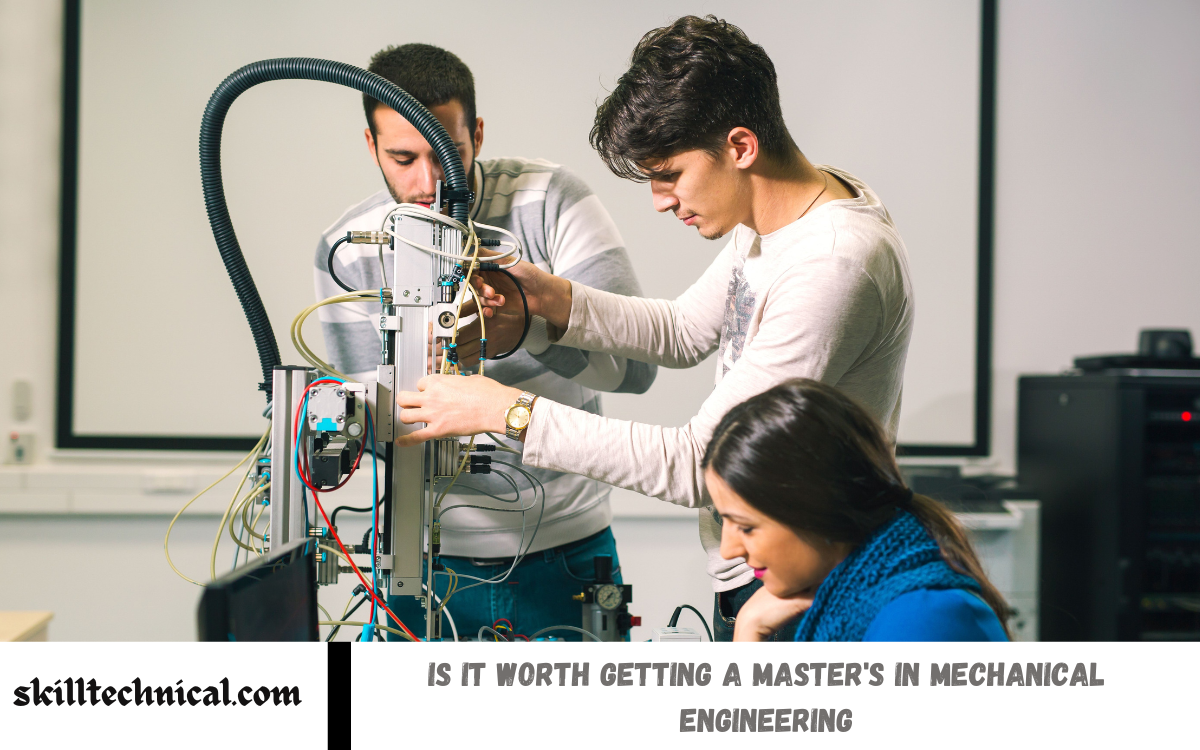
Many engineering graduates wonder whether pursuing a master’s degree in mechanical engineering is worthwhile, considering the time, effort, and money invested. With the rise of new technologies like robotics, automation, and sustainable energy, mechanical engineering is evolving rapidly—and so are the career paths within it. A master’s degree can open doors to specialized roles, higher salaries, and leadership positions that might not be available with just a bachelor’s degree.
The decision isn’t one-size-fits-all. While some professionals greatly benefit from advanced knowledge and research opportunities, others may find hands-on experience or industry certifications more valuable. Cost, time commitment, and personal career goals all play a role in this decision.
This article will examine the practical benefits, challenges, and alternatives to pursuing a master’s degree in mechanical engineering. Whether you’re a recent graduate or a working professional seeking to upskill, this guide will help you determine if pursuing a master’s degree is the right move for your future.
Why Consider a Master’s in Mechanical Engineering?
Pursuing a master’s in mechanical engineering is a big decision, but for many students and professionals, it can be a wise and rewarding move. The demand for highly skilled engineers who understand advanced concepts is growing. A master’s degree offers the opportunity to delve deeper into specialized areas, such as robotics, aerospace, renewable energy, and advanced manufacturing.
Beyond gaining technical knowledge, a master’s program can also sharpen your problem-solving, research, and leadership skills—qualities that are highly valued in today’s competitive job market. It can also make your resume stand out and open the door to more senior or managerial roles that typically require postgraduate education.
For those aiming to work in research and development (R&D), academia, or roles that involve cutting-edge innovation, a master’s degree can be significant. It also provides a strong foundation for pursuing a Ph.D. later on.
Benefits of a Master’s in Mechanical Engineering
Earning a master’s degree in mechanical engineering comes with a range of valuable benefits that can significantly impact your career and personal growth:
Higher Salary Potential
Master’s degree holders typically earn more than those with just a bachelor’s degree. Advanced skills and specialized knowledge make you more valuable to employers, which can translate to better pay.
Specialized Knowledge
A master’s program allows you to focus on a specific area like robotics, thermodynamics, aerospace, or renewable energy—helping you become an expert in your field.
Better Career Opportunities
With a master’s, you can qualify for higher-level roles such as project manager, research engineer, or design lead. Some positions, especially in research or advanced tech industries, specifically require a postgraduate degree.
Increased Job Security
Specialized and highly educated professionals are less likely to be affected by layoffs and more likely to find new opportunities quickly.
Pathway to Ph.D. or Academia
If you’re interested in teaching or advanced research, a master’s degree is a necessary step toward earning a Ph.D.
Global Opportunities
Many international companies prefer or require advanced degrees. A master’s can improve your chances of working abroad or with global teams.
A master’s degree can unlock doors to new and exciting possibilities that go far beyond the basics.
Career Opportunities After a Master’s Degree
Earning a master’s in mechanical engineering opens the door to a wide range of advanced and rewarding career paths. With specialized knowledge and technical expertise, you’ll be qualified for roles that go beyond entry-level positions—often with higher salaries and greater responsibilities.
Here are some top career opportunities after completing your degree:
Design Engineer
Work on developing and improving mechanical systems, machines, or products using computer-aided design (CAD) tools and simulation software.
Research and Development (R&D) Engineer
Focus on creating innovative technologies or improving existing ones in fields like aerospace, automotive, or energy.
Project Manager
Lead engineering projects from start to finish, coordinating teams, managing budgets, and ensuring deadlines are met.
Robotics Engineer
Specialize in designing and building robotic systems used in manufacturing, healthcare, defense, and more.
Aerospace Engineer
Contribute to the design and testing of aircraft, spacecraft, or defense systems with advanced mechanical principles.
Manufacturing or Production Engineer
Optimize production processes and develop efficient systems for factories and industrial settings.
Energy Systems Engineer
Work in renewable energy, HVAC systems, or power generation, helping build sustainable and efficient energy solutions.
Academic or Teaching Roles
With a master’s degree, you can also explore teaching positions at universities or technical institutes or continue toward a Ph.D.
Consulting or Technical Specialist
Provide expert advice on engineering solutions for clients or businesses, often across multiple industries.
A master’s degree not only boosts your qualifications but also gives you the flexibility to shift into high-demand, specialized, or leadership roles.
Read Also: Networking for engineers – How to build professional connections
Is It Necessary for Career Growth?
A master’s degree in mechanical engineering can definitely support career growth—but it’s not always necessary for everyone. Whether you need it depends on your goals, the industry you’re in, and the type of roles you want to pursue.
If you’re aiming for technical leadership, research and development (R&D), or highly specialized positions (like robotics, aerospace design, or advanced materials), a master’s degree can give you a significant advantage. It deepens your knowledge, enhances your resume, and often qualifies you for higher-level or managerial roles.
Many engineers still build successful careers with just a bachelor’s degree—especially if they gain experience, certifications, or skills through hands-on work, internships, or on-the-job learning. In fields such as manufacturing or maintenance engineering, experience often takes precedence over additional academic qualifications.
Frequently Asked Questions
Will a master’s degree help me move into management?
Yes, it can enhance your leadership skills and qualify you for project management or team lead roles.
Is a master’s required to work abroad as a mechanical engineer?
It’s not always required, but many international employers prefer or expect candidates to hold advanced degrees for skilled positions.
How long does it take to complete a master’s in mechanical engineering?
Typically, 1.5 to 2 years for full-time programs and longer for part-time or online formats.
Can I transition to another engineering field after completing a master’s in mechanical engineering?
Yes, especially in related fields such as aerospace, renewable energy, robotics, or systems engineering.
What if I can’t afford the tuition—are there any scholarships or alternatives available?
Many universities offer scholarships, assistantships, or paid research positions. You can also consider employer sponsorships or study online to reduce costs.
Conclusion
Pursuing a master’s degree in mechanical engineering can be a wise investment—if it aligns with your career goals. It offers more in-depth technical knowledge, access to higher-paying roles, and opportunities to specialize in advanced fields such as robotics, aerospace, or energy systems. It also enhances your chances of working in leadership, research, or academic positions. However, it’s not a one-size-fits-all decision. If you’re gaining solid experience in the field, building practical skills, or working in industries where a bachelor’s degree is enough, then a master’s may not be essential right away.